











HIPAA Compliance & Consulting Services
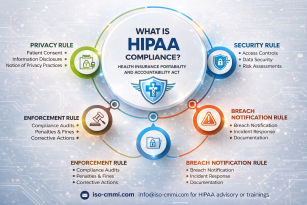
HIPAA compliance is essential for organizations that handle protected health information (PHI). Whether you are a healthcare provider, business associate, health-tech company, or a SaaS platform supporting the healthcare industry, HIPAA compliance helps ensure patient data privacy, security, and regulatory readiness. We provide end-to-end HIPAA compliance consulting services to help you meet HIPAA Privacy Rule, Security Rule, and Breach Notification Rule requirements.
Key Benefits of HIPAA Compliance
The following benefits help organizations protect patient data, meet client requirements, and enable growth in healthcare markets:
- Protect Patient Data (PHI) — Strengthens privacy and security controls for sensitive healthcare information.
- Meet Healthcare Client Requirements — HIPAA compliance is often required to work with hospitals, clinics, insurers, and health-tech partners.
- Reduce Risk of Breaches and Penalties — Helps prevent incidents that can lead to legal action and financial penalties.
- Improve Security and Governance — Builds structured policies, training, and accountability across the organization.
- Build Trust with Customers and Stakeholders — Demonstrates commitment to patient privacy and regulatory responsibility.
- Enable Business Growth in Healthcare — Supports onboarding with healthcare customers and enterprise partners faster.
Our HIPAA Compliance Approach
-
HIPAA Applicability & Scope Review
We assess whether your organization is a Covered Entity or Business Associate and identify where PHI is created, stored, processed, or transmitted.
-
HIPAA Requirements Understanding
Our experts help you understand HIPAA obligations, including Privacy Rule requirements, Security Rule safeguards, and Breach Notification responsibilities.
-
HIPAA Gap Assessment & Risk Analysis
We conduct a structured HIPAA risk assessment to evaluate your current controls and identify compliance gaps related to access controls, encryption and data security, workforce training, incident response, and vendor/BAA management.
-
Implementation of HIPAA Safeguards
We support implementation of required safeguards, including administrative safeguards (policies, training, governance), physical safeguards (device security, facility controls), and technical safeguards (access, audit logs, encryption).
-
HIPAA Compliance Readiness Support
We help you prepare for compliance reviews, customer assessments, and internal audits by ensuring proper documentation, evidence, and ongoing compliance monitoring.
HIPAA Compliance – Frequently Asked Questions (FAQ)
-
What is HIPAA compliance?
HIPAA compliance means following the rules and safeguards required to protect patient health information (PHI), including privacy, security, and breach reporting requirements.
-
Who needs to comply with HIPAA?
HIPAA applies to Covered Entities (healthcare providers, health plans) and Business Associates (vendors or service providers that handle PHI).
-
What is a HIPAA risk analysis?
A HIPAA risk analysis is a required process that identifies risks to PHI and evaluates security gaps, vulnerabilities, and mitigation plans.
-
What is the difference between the HIPAA Privacy Rule and Security
Rule?
The Privacy Rule focuses on how PHI is used and shared. The Security Rule focuses on protecting electronic PHI (ePHI) using administrative, physical, and technical safeguards.
-
Do SaaS and cloud companies need HIPAA compliance?
Yes—if the platform stores, processes, or transmits PHI, it must follow HIPAA requirements and sign Business Associate Agreements (BAAs).
-
Is HIPAA certification available?
HIPAA itself does not provide an official “certification.” However, organizations can demonstrate HIPAA compliance through risk assessments, documented safeguards, and independent compliance audits.
-
How long does it take to become HIPAA compliant?
Timelines vary based on scope and readiness. Many organizations can achieve HIPAA readiness in a few weeks to a few months with the right roadmap and implementation plan.